


How to Patchwork
Patchwork is one of the most satisfying (and beginner-friendly!) ways to start sewing. With just straight stitches and simple shapes, you can turn fabric scraps into beautiful projects like quilts, pillow covers, tote bags, and more. If you’re brand new to sewing—or want a confidence boost—this step-by-step patchwork tutorial is for you.
What Is Patchwork?
Patchwork is the technique of sewing smaller pieces of fabric together to create a larger design. These pieces are often cut into squares, rectangles, or strips and arranged in repeating patterns.
The best part? Patchwork is forgiving, budget-friendly, and perfect for using up fabric scraps.
What You’ll Need
Before you start, gather a few basics:
-
Cotton fabric (quilting cotton is ideal for beginners)
-
Sewing machine
-
Universal needle (80/12 or 90/14)
-
Thread (neutral colors work best)
-
Rotary cutter or fabric scissors
-
Ruler or quilting ruler
-
Iron and ironing board
💡 Beginner tip: Stick to 100% cotton fabrics—they’re easier to cut, press, and sew accurately.
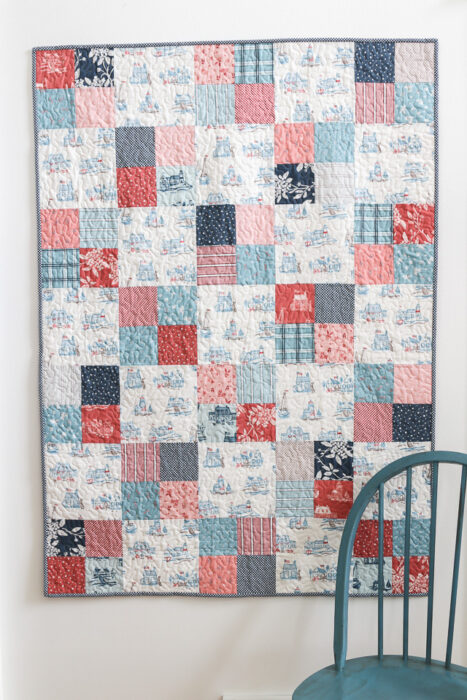
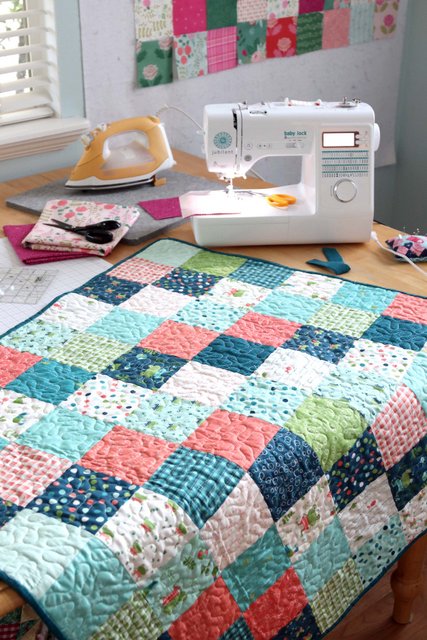
Step 1: Choose a Simple Patchwork Pattern
Start with something straightforward, like:
-
Basic squares
-
Rectangles
-
Strip piecing
Avoid triangles or curves at first—they’re fun later, but not beginner-friendly.

Step 2: Cut Your Fabric Accurately
Accurate cutting makes sewing much easier.
For Beginners:
-
Cut all pieces the same size
-
Common starter size: 5-inch squares
-
Use a ruler and rotary cutter if possible
Take your time here—neat cuts = neater patchwork.
Step 3: Arrange Your Patchwork Design
Lay your fabric pieces out on a table or floor before sewing.
-
Mix light and dark fabrics for contrast
-
Avoid placing the same fabric right next to itself
-
Take a quick photo so you don’t forget the layout
There’s no “wrong” arrangement—patchwork is all about creativity.
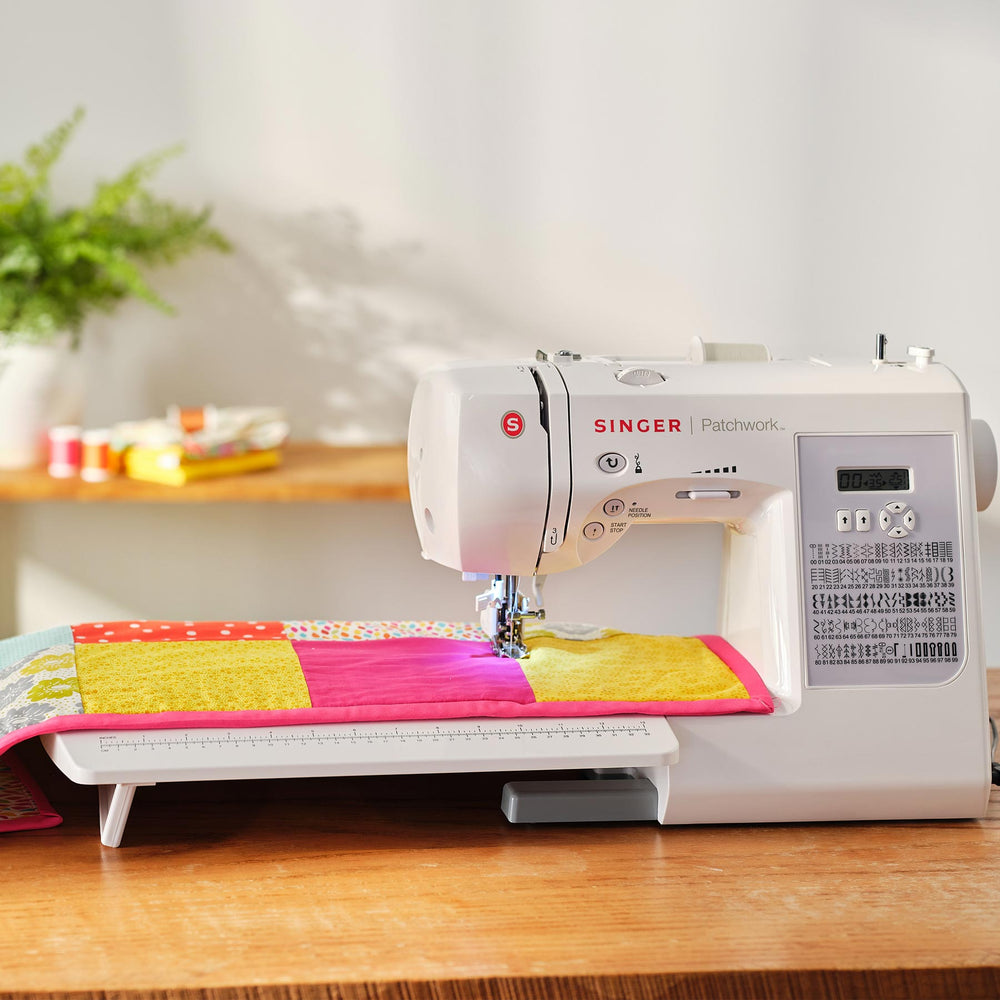
Step 4: Sew Pieces Together in Rows
Now it’s time to sew!
How to Sew Patchwork Like a Pro:
-
Use a ¼-inch seam allowance
-
Sew pieces right sides together
-
Chain piece (sew continuously without cutting thread)
Sew your squares into rows first, then sew the rows together.

Step 5: Press Your Seams (Don’t Skip This!)
Pressing is what makes patchwork look clean and professional.
-
Press seams to one side or open
-
Press after every seam
-
Lift and press—don’t slide the iron
✨ This step alone can completely transform your results.
Step 6: Join the Rows Together
Once your rows are complete:
-
Pin at seam intersections
-
Sew rows together carefully
-
Press seams again
If your seams don’t line up perfectly—that’s okay! Even experienced sewists miss a match now and then.
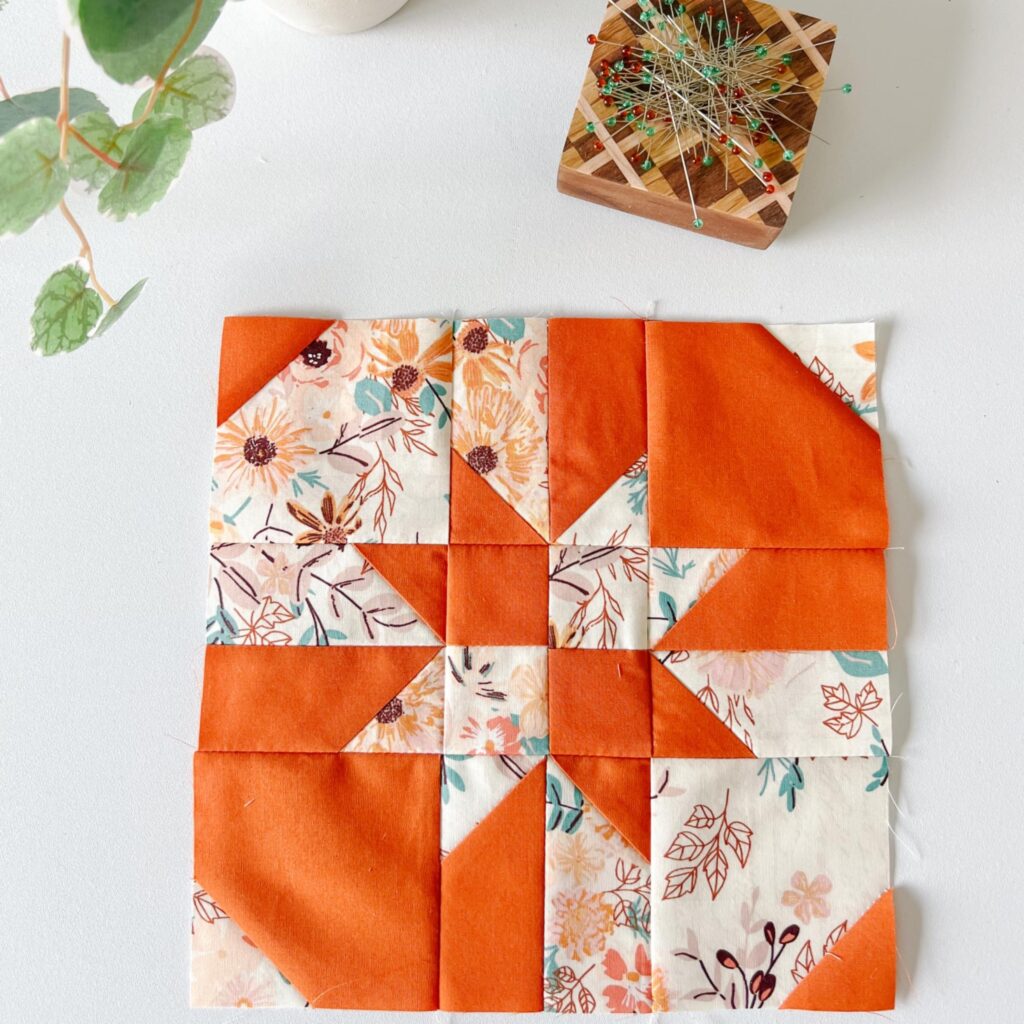
Step 7: Square Up Your Patchwork
Trim the edges so your patchwork piece is neat and even.
Common Patchwork Mistakes (and How to Fix Them)
Uneven blocks?
→ Your seam allowance may be inconsistent. Slow down and guide your fabric gently.
Wavy patchwork?
→ Press more often and avoid stretching the fabric.
Doesn’t look perfect?
→ Congratulations—you’re doing patchwork correctly. 😉
Patchwork Is the Perfect Beginner Skill
Patchwork teaches you:
-
Straight-line sewing
-
Seam accuracy
-
Fabric handling
-
Pressing techniques
Best of all, it builds confidence fast. Every finished block is a win.
Ready to Take the Next Step?
Once you’re comfortable with patchwork, you’re already halfway to quilting, bag-making, and garment sewing. Keep practicing, use fabrics you love, and remember—progress beats perfection every time.
Happy sewing! 🧵✨